
Wellness is how well you feel and function in your whole life: your body, your mind, your emotions, your relationships, and your energy. For most women, real wellness is much quieter and more personal than the buzzwords suggest. It looks like sleeping well enough to get through the day, having a provider who listens, understanding what's happening in your body, and feeling like yourself most of the time.
What you'll learn
Why "wellness" has become such a confusing word
What wellness actually means
The buzzwords worth a second look
What whole-person wellness looks like day to day
A simple way to build a version that fits your real life
Why does "wellness" feel so confusing?
Somewhere along the way, wellness became something you buy. Scroll through any feed and you'll see it attached to powders, supplements, cleanses, cold plunges, color-coded morning routines, and a long list of things you're supposedly doing wrong.
That can leave you feeling like wellness is a finish line, and like everyone else got there before you. If you've ever felt behind on a "wellness journey" you never signed up for, you're in good company.
Here's the good news: the idea underneath the buzzwords is a good one. Caring about how you feel is worthwhile. It just doesn't need to be complicated, expensive, or perfect to count.

What does wellness actually mean?
Wellness means taking care of the whole you, in a way that supports how you want to feel and live. It includes your physical health, but it also includes your mood, your stress, your sleep, your hormones, your relationships, and your sense of being at home in your own body.
A helpful way to think about it: wellness isn't the absence of problems. You can be well and still have a hard season, a chronic condition, or a body that doesn't match a magazine cover. Wellness is about feeling supported and informed, and having what you need to keep going.
This is the heart of how we think about care at Vibe Women's Health Collective: women's healthcare that sees the whole you, not just a single symptom or a single appointment.
Which wellness buzzwords are worth a second look?
Some wellness words carry a kernel of truth and a lot of hype. Here are a few that deserve a closer look:
Detox and cleanse
Your body already has a built-in system for clearing out what it doesn't need. Your liver and kidneys do that work every day, without a special tea or a juice plan. If you feel like you "need a detox," it's often a sign that you need more sleep, more water, more nourishing food, or more rest, not a restrictive plan.
Balance
"Hormone balancing" is everywhere right now, and the real picture is more nuanced. Hormones naturally rise and fall across your cycle and across your life, especially during perimenopause and menopause. The goal isn't to force them into a perfect line. It's to understand what's normal for you, and to get support when your symptoms are getting in the way of your life.
Clean eating
Food can absolutely support how you feel, and what works varies a lot from woman to woman. But "clean" can quietly turn eating into a moral test, with good foods and bad foods. A kinder approach is to ask what helps you feel steady, energized, and satisfied, without guilt attached.
Self-care
Self-care has been shrunk down to bubble baths and face masks. Those can be lovely, but real self-care is often less glamorous. It's making the dentist appointment, saying no to something that drains you, booking your annual visit, or asking for help when you need it.
Optimizing
The pressure to "optimize" every part of your life can turn health into one more job. You're allowed to simply live, rest, and feel okay, without turning your body into a project.
What does whole-person wellness look like in real life?
Whole-person wellness is made up of ordinary, unglamorous things that add up over time. For most women, that includes:
Rest. Sleep that's good enough to help you function, and permission to slow down when you need to.
Nourishment. Eating in a way that supports your energy and mood, without rules that make you anxious.
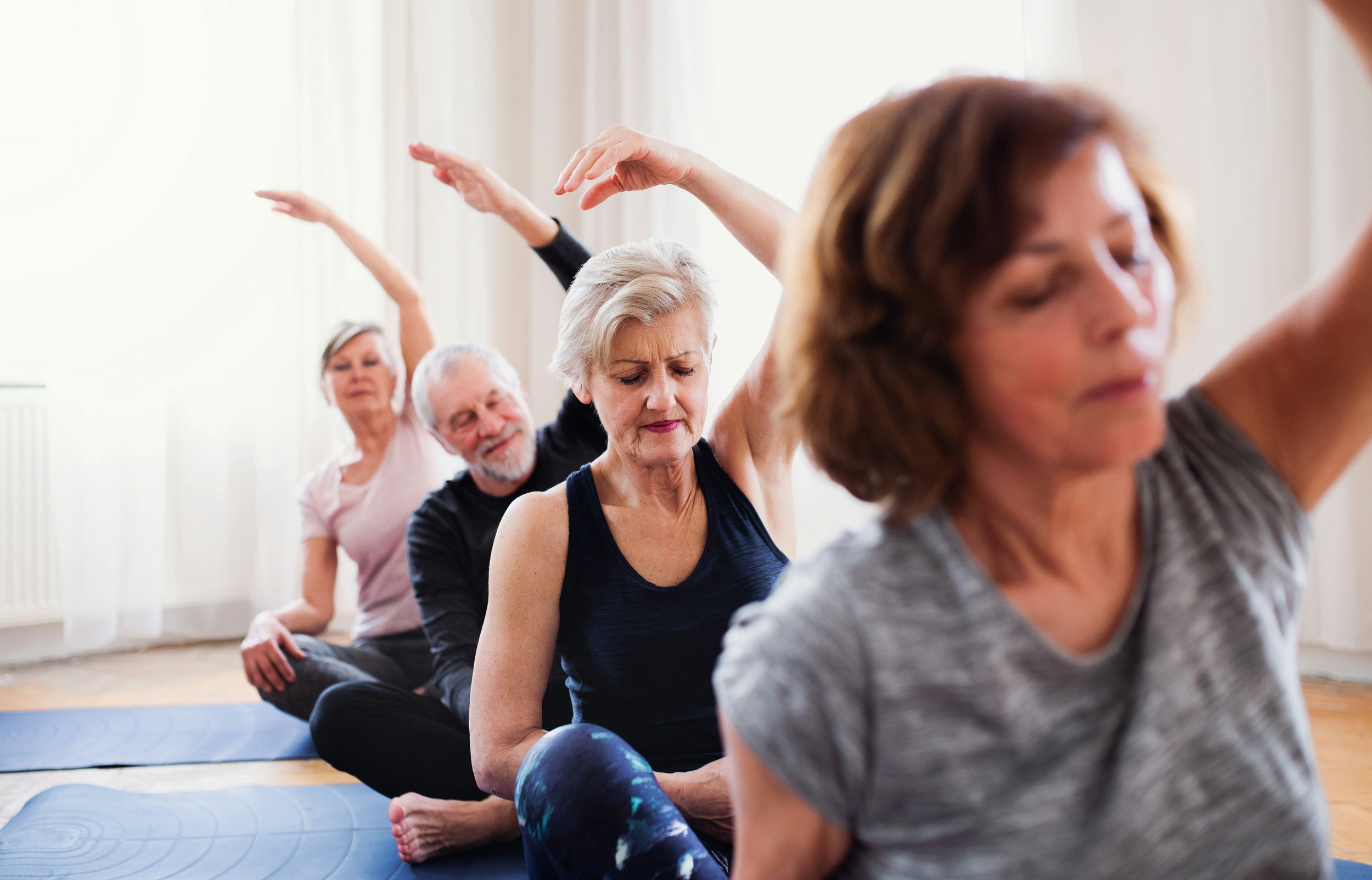
Movement. Moving your body in ways you actually enjoy, whether that's a walk, yoga, strength training, or dancing in your kitchen.
Emotional health. Having space to process stress, anxiety, grief, or big life changes, with support when you need it.
Connection. Time with people who make you feel seen, and a sense of belonging.
Hormonal and reproductive health. Understanding your cycle, your symptoms, and the changes that come with perimenopause and menopause.
Sexual health. Being able to ask honest questions about desire, comfort, and pleasure without embarrassment.
Preventive care. Showing up for checkups, screenings, and the appointments that catch things early.
Notice that none of these require a product. Some of them just need a good provider and a little room to be honest.
How do I build a version of wellness that fits my life?
You don't need a total overhaul. A simple three-step approach can help.
1. Notice. Pay attention to how you actually feel: your energy, your sleep, your mood, your cycle, your body. Small patterns often say more than a single bad day.
2. Nourish the basics. Start with the unglamorous foundations, like sleep, food that satisfies you, movement you enjoy, and a little time that's just yours. Pick one thing, not ten.
3. Ask for support. If something feels off, you don't have to figure it out alone or wait until it's "bad enough." A provider can help you understand what's going on and what your options are.
Here's a small example. Say you've been exhausted for months, your mood is flat, and your periods have gotten unpredictable. A buzzword approach might send you shopping for supplements. A whole-person approach starts with noticing the pattern, then talking with a provider who can look at the full picture, including sleep, stress, hormones, and anything else that might be contributing. You get answers instead of guesses.
How do I know if a wellness trend is worth trying?
Before you spend money or energy on a trend, it can help to ask a few simple questions:
Is it based on real evidence, or mostly on personal stories and good marketing?
Does it make me feel more informed and capable, or more anxious and behind?
Does it ask me to cut out entire food groups or follow strict rules?
Is it safe alongside any medications or conditions I have?
Would I still do this if no one could see it?
If you're not sure, a quick conversation with your provider can help you sort the helpful from the hype. Providers hear questions about supplements and trends all the time, and there's no such thing as a silly one.
Frequently asked questions
What does wellness mean in simple terms? Wellness means caring for your whole self, including your body, mind, emotions, and relationships, so you can feel and function the way you want to. It isn't about perfection.
Is wellness the same as being healthy? They overlap, but they aren't identical. Health is often measured by checkups and test results. Wellness also includes how you feel day to day, and you can have wellness even while managing a health condition.
Do I need supplements or products to be well? Not necessarily. Some supplements are helpful for some people, but the foundations, like sleep, nourishing food, movement, stress support, and regular checkups, matter most. Check with your provider before starting anything new.
What's the difference between self-care and wellness? Self-care is the individual actions you take to look after yourself. Wellness is the bigger picture of how well you're doing overall. Self-care is one of the ways you support it.
Why do I feel worse when I follow wellness trends? Trends can add pressure, rules, and comparison, which can raise stress instead of lowering it. If a routine leaves you feeling anxious or guilty, it's okay to let it go.
When should I talk to a provider about how I feel? Any time something feels off, or you're simply curious. You don't need a diagnosis or a dramatic symptom. Changes in energy, sleep, mood, or your cycle are all worth bringing up.
How to integrate wellness into your day-to-day
Wellness doesn't have to be loud, expensive, or perfect. It can be as simple as listening to your body, giving it what it needs, and asking for help when you need it. When you let go of the buzzwords, what's left is something much warmer and more doable: feeling like yourself, in your own life.
